
«Everything that is to come is bitten in the tail by the past», Nietzsche remarked in response to the question of whether the future can be meaningfully envisioned without reference to the past. But how can future perspectives and scenarios emerge that, due to their historical conditioning, are at the same time sufficiently open to the new – and open up horizons of imagination that extend beyond the boundaries of familiar viewpoints, habits, and the expectations, fears, and hopes they feed?
This question is also central to the discussion of the future of the Alpine region. Here, not only do the existential challenges of the present, such as climate change, manifest themselves in a particularly drastic and vivid form. Demographic change and the trend of the younger generation «fleeing the mountains» to urban or well-connected peri-urban agglomerations are also leading to a marked structural shift and to problems that, given the specific geomorphological conditions, require equally specific solutions. These are just two examples that sharpen the necessary focus on the «future» in Alpine regions.
One particular aspect should not be overlooked: at the very latest since the «discovery» of the Alps as a motif of the Enlightenment and Romanticism, they have become the imaginary counterpoint to an increasingly urban, bourgeois, and industrialized society. The stereotypes that emerged during this process continue to have an impact today and bring to the forefront the question of what characterizes Alpine landscapes and ways of life—in short, «the Alps»—and what should characterize them in the future. Therefore, the portrayal of the Alps as a space of longing and a counter-space, which intensified in the 19th century, is decisive in shaping future perspectives for the Alpine region.
Since its founding in 2020, the Uri Institute Cultures of the Alps has been dedicated to the task of systematically capturing, describing, and analyzing the historical spaces of resonance and the current developmental dynamics within the «Alps» cultural region, and of discussing and communicating them within a broader context. In doing so, it brings together approaches from the cultural, humanities, and social sciences within an interdisciplinary framework and translates them, via transdisciplinary interfaces, into non-academic practice and to its various representatives in society, the economy, and politics.
This expertise is increasingly being used to develop a form of «literacy» that enables us to identify, describe, and realize the potential for shaping the future within the context of historical and contemporary awareness. On the one hand, the aim is to identify and explore contingencies within established habits of perception and interpretation. In this way, the rich reservoir of past experiences and the perspectives and skills derived from them becomes a resonant space for the imagination and the shaping of the future. On the other hand, we focus on the blind spots and possibilities that were neither considered nor realized in the past. For this reason, the Uri Institute created a space for reflection in the spring of 2024 with the cross-cutting theme of Alpine Futures Literacy, which is being systematically established in conjunction with the respective research, outreach, and consulting activities.
The concept of «futures literacy», which originates in futures studies, is playing an increasingly prominent role, particularly in UNESCO’s activities. «Futures literacy» refers to «the ability that enables people to better understand the role of the future in their perceptions and actions. Futures literacy stimulates the imagination and improves our ability to prepare for, adapt to, and invent change.» (UNESCO) The understanding of «Alpine Futures Literacy» promoted by the Institute of Alpine Cultures builds on UNESCO’s approach but goes beyond it: Alpine Futures Literacy incorporates the «correspondence» with the past and present described above as an essential element of its program, and confronts the imagination of the future with the substance of the past and the urgencies of the present. The goal is to practice Futures Literacy as an organic interaction between historical path dependencies, transdisciplinary expertise, and exploratory imagination. In this context, the incorporation of artistic modes of thought and practice plays a significant role, as it can provide essential impulses for a critical examination of the limitations of the imagination imposed by stereotypes, as well as the transformative potential of aesthetic practices.
The «Alpine Futures Literacy» research area builds on the institute’s established research priorities and ongoing projects, specifically harnessing them as a resource for «seeds of the future» – unrealized possibilities with the potential to open up new horizons for shaping the future. Research projects that, for example, examine the history of the expansion of renewable energy in the Alpine region are utilized as a multi-perspective archive for a perspective-oriented exploration of concepts for a future aesthetic of Alpine energy cultural landscapes, in which expertise from the field of artistic research and the stakeholders involved in «implementation» are, in turn, incorporated. Projects dealing with the history of skiing serve as catalysts for work on the question of what a future of winter sports might look like in the context of climate change – and what needs and challenges arise here, not only with regard to economic alternatives but also concerning the cultural self-image of the population in regions shaped by winter tourism. And, to give another example: projects addressing demographic change and outmigration in the Alpine region are becoming a transdisciplinary, consolidated knowledge base for debates on the potential transformative effects of digitalization – specifically, for instance, through the example of «digital nomads» as the «New Highlanders» and co-creators of a future Alpine socio-economy.
The «Alpine Futures Literacy» research area is designed as an open discourse workshop where future-oriented questions arising from the Institute’s activities are addressed and explored in workshops with guests and during field trips. Since 2024, the following topics, among others, have been addressed: «Post-snow winter sports», «Infrastructural obsolescence», «Wilderness of the future», «The Alps in mind», and «Aesthetics of Alpine energy cultural landscapes». The contact person is Prof. Dr. Jens Badura (jens.badura@unilu.ch).
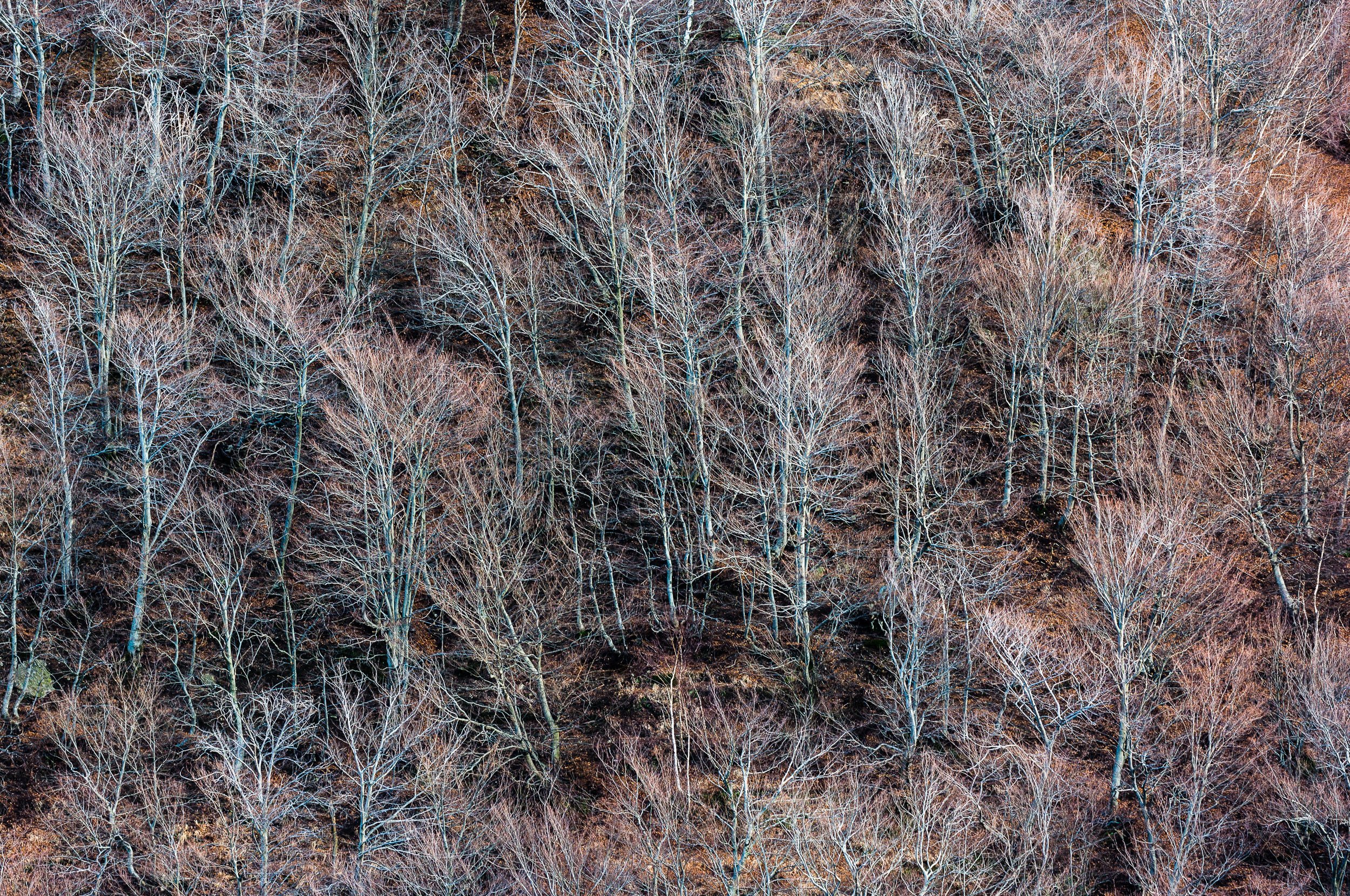
Spaces of imagination
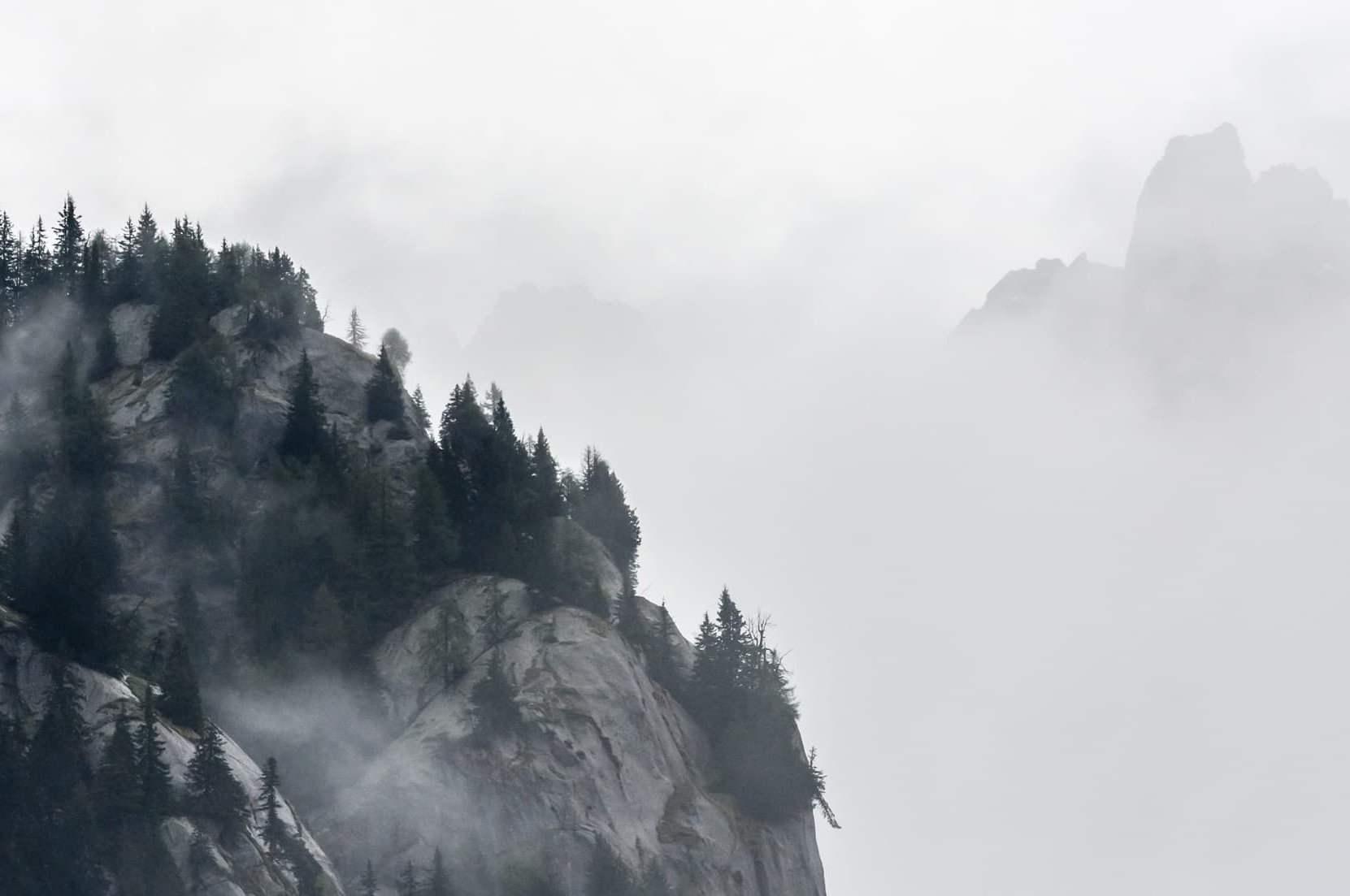
Spaces of imagination